





Top 160 Verified  CANCER HOSPITAL in DELHI

 Open: 24 hrs
 Contact Owner
  WhatsApp

Searching, please wait...

Why Sell on Bizrato?
- Zero Cost Selling
- Verified Buyers Only
- Grow Your Reach
- Easy Dashboard
- Boost Visibility
People Also Search For





Cancer Hospital
Introduction: When Every Moment Matters Most
There are few moments in life more frightening than hearing the word "cancer." Everything changes in an instant. The world feels smaller. Questions flood in faster than answers. And somewhere beneath the fear, a single urgent thought rises above everything else: Where do I go? Who can I trust? How do I find the best possible care – right now?
If you or someone you love is facing a cancer diagnosis, you don't have time to make a wrong choice. You need a cancer specialist hospital that has the right expertise, the right technology, and the right people – a team that will treat not just the disease, but the whole human being carrying it. You need answers, not confusion.
That's exactly what Bizrato is here to help you find.
Bizrato.com is a trusted business discovery platform that connects families with verified, trusted, and recommended cancer specialist hospitals in their city. Whether you're looking for medical oncology services, radiation oncology treatment, surgical oncology care, or a comprehensive chemotherapy treatment center, Bizrato makes it possible to find credible, evaluated options without the overwhelming uncertainty of searching blindly.
What makes Bizrato different from a standard web search? Every hospital and oncology center listed on the platform carries trust badges – TRUSTED, VERIFIED, RECOMMENDED, or TRUSTED SHIELD – that tell you, at a glance, that Bizrato has evaluated this provider for credibility. And with Bizrato's privacy-first communication system, you and your family can reach out to hospitals, ask questions, and gather information without giving away your personal phone number until you're ready.
This guide is written for families in the hardest of circumstances – people who need reliable information, fast. It covers the types of cancer hospitals available, the questions you should be asking, the costs you should understand, and exactly how to use Bizrato to find the right oncology hospital in your city.
You don't have to figure this out alone. Let's take this one step at a time, together.
Why Cancer Specialist Hospitals Are So Critical in Your City
Cancer is no longer a distant statistic. According to national health data, India reports over 1.4 million new cancer cases every year, and the numbers are rising. In metro cities, a combination of lifestyle factors, environmental exposure, delayed diagnosis, and aging populations has made cancer one of the leading causes of disease-related mortality.
The most sobering reality is this: the outcome of a cancer diagnosis is heavily determined not just by the type and stage of cancer, but by where and how quickly it is treated. Access to a qualified cancer specialist hospital with advanced oncology care services can mean the difference between early-stage treatment with high survival rates and late-stage intervention with far more complex outcomes.
In Indian cities, oncology care has advanced dramatically over the last two decades. Metro areas now host sophisticated cancer specialist hospitals offering everything from cutting-edge radiation therapy centers and robotic surgical oncology to targeted immunotherapy and comprehensive cancer rehabilitation services. But for families in the grip of a new diagnosis, navigating this landscape without a trusted guide is genuinely overwhelming.
Most families don't know whether to start with a general hospital or a dedicated cancer specialist hospital. They don't know the difference between medical oncology services and surgical oncology. They don't know which hospitals have the specific technology needed for their type of cancer. And they often don't know how to evaluate whether the care they're being offered is genuinely the best available to them.
Bizrato bridges that gap. By aggregating verified cancer specialist hospitals and oncology centers in your city – with detailed profiles, real patient reviews, and transparent contact options – Bizrato gives families the information infrastructure they need to make one of the most important decisions of their lives with greater clarity and confidence.
Finding the right cancer care in your city starts here.
Types of Cancer Specialist Hospitals and Oncology Services
Understanding the different types of cancer hospitals and the services they offer is the first step toward finding the right fit for your specific diagnosis and needs.
Comprehensive Cancer Specialist Hospitals
These are dedicated, full-service oncology institutions that bring together medical oncology services, radiation oncology treatment, and surgical oncology under one roof. A comprehensive cancer specialist hospital typically has a multidisciplinary tumor board – a committee of specialists from different oncology disciplines who collectively review each case and design a treatment plan. This integrated approach is widely considered the gold standard of cancer care. For complex or advanced cases, a comprehensive cancer specialist hospital offers the depth and range of expertise that smaller or generalist facilities cannot match.
Medical Oncology Centers
Medical oncology services focus on the non-surgical treatment of cancer using systemic therapies – primarily chemotherapy, targeted therapy, immunotherapy, and hormone therapy. A dedicated medical oncology center or department within a cancer specialist hospital manages treatment planning, drug administration, monitoring of side effects, and ongoing assessment of treatment response. These centers are where most patients spend the majority of their treatment time.
Radiation Oncology Treatment Centers
Radiation oncology treatment uses high-energy radiation to destroy cancer cells or shrink tumors. Modern radiation therapy centers offer a range of technologies including Linear Accelerators (LINAC), Intensity-Modulated Radiation Therapy (IMRT), Image-Guided Radiation Therapy (IGRT), Stereotactic Body Radiation Therapy (SBRT), and in some centers, Proton Therapy. The technology available at a radiation therapy center can significantly affect treatment precision and side-effect profile – making it a critical factor when choosing a cancer hospital with advanced radiation therapy .
Surgical Oncology Hospitals
Surgical oncology hospital services focus on the physical removal of tumors and affected tissue. Surgical oncology is often a central component of treatment for solid tumors including breast, colon, stomach, thyroid, and gynecological cancers. Modern surgical oncology has been transformed by minimally invasive techniques including laparoscopic surgery, robotic-assisted surgery, and video-assisted thoracoscopic surgery (VATS), which reduce recovery time and complications significantly. A cancer specialist hospital with strong surgical oncology capability will have dedicated oncological surgeons with subspecialty training in specific cancer types.
Chemotherapy Treatment Centers
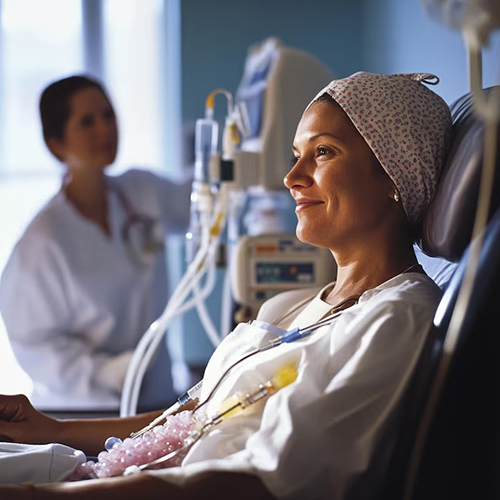
A dedicated chemotherapy treatment center provides the infrastructure for safe administration of chemotherapy – including specialized nursing staff trained in chemotherapy administration, monitored infusion chairs or rooms, protocol management systems, and immediate access to oncologists if a reaction occurs. The quality of a chemotherapy treatment center's protocols and the experience of its nursing staff directly affect patient safety and comfort. When searching for the best cancer hospital for chemotherapy, these factors are as important as the oncologist's qualifications.
Breast Cancer Specialist Centers
Breast cancer is the most commonly diagnosed cancer among women in India, and many cancer specialist hospitals now have dedicated breast cancer units with subspecialty teams including breast surgical oncologists, radiation oncologists, medical oncologists, plastic and reconstructive surgeons, psycho-oncologists, and genetic counselors. For anyone seeking the top oncology hospital for breast cancer treatment, a dedicated breast cancer center within a larger institution offers the most comprehensive, coordinated approach.
Pediatric Oncology Hospitals
Children with cancer require an entirely different approach – both clinically and emotionally. Pediatric oncology hospitals or departments are staffed by oncologists, nurses, psychologists, and child life specialists trained to deliver cancer care in ways that are adapted for children's unique physiological and emotional needs. Outcomes in pediatric oncology have improved dramatically with specialized, protocol-driven care.
Bone Marrow Transplant and Hematology Cancer Centers
Blood cancers including leukemia, lymphoma, and multiple myeloma often require bone marrow or stem cell transplantation as part of treatment. Not all cancer specialist hospitals have this capability. When searching for a hospital for blood cancer treatment, confirming whether the center has a dedicated bone marrow transplant unit with appropriate clean-room facilities and transplant-experienced hematologists is essential.
Palliative and Supportive Care Centers
Palliative care is an essential but often overlooked dimension of comprehensive cancer care. A cancer specialist hospital with integrated palliative care services focuses on pain management, symptom control, psychological support, and quality of life – for patients at every stage of their cancer journey, not just those in advanced disease. Cancer support services that include counseling, nutritional support, and social work are markers of a genuinely patient-centered institution.
Day Care Oncology Centers
For patients who need regular chemotherapy or targeted therapy infusions but do not require inpatient admission, day care oncology centers offer a middle ground – providing monitored treatment in a comfortable outpatient setting, typically with shorter wait times and lower costs than inpatient treatment. Many top cancer specialist hospitals offer day care oncology services alongside their inpatient facilities.
Common Challenges Families Face When Seeking Cancer Care
Understanding the obstacles most families encounter helps you navigate them more effectively. Here are the most common challenges people face when searching for cancer care:
Delayed Diagnosis and Late Presentation
In India, a significant proportion of cancer cases are still diagnosed at an advanced stage. Late presentation is driven by limited cancer screening services awareness, a tendency to attribute symptoms to other causes, cost concerns, and social stigma around cancer. By the time families begin searching for a cancer specialist hospital, the disease may already be at a stage where treatment options are more limited and more intensive.
Overwhelming and Conflicting Information
A cancer diagnosis triggers an avalanche of online searching, well-meaning advice from family and friends, and sometimes conflicting opinions from different doctors. Families struggle to evaluate this information and make sense of it in the context of their specific diagnosis, stage, and personal circumstances.
Difficulty Identifying the Right Type of Hospital
Not every hospital with an oncology department is a cancer specialist hospital with the capabilities needed for complex cancer care. Families often don't know the questions to ask about technology, multidisciplinary team structures, case volumes, or outcomes data. The result is that some patients end up at facilities that are not optimally equipped for their specific cancer type.
Financial Uncertainty and Cost Anxiety
Cancer treatment is expensive. Even with insurance, out-of-pocket costs can be substantial. Families frequently don't know what a course of treatment will cost until they're already in the middle of it. The anxiety about costs – on top of the medical anxiety – creates enormous stress and sometimes leads families to make treatment decisions based on financial considerations alone.
Geographic Access
The best cancer specialist hospitals are concentrated in major metro cities. For families traveling from smaller towns or rural areas, accessing these facilities involves logistical challenges around accommodation, transportation, and managing work and family responsibilities alongside treatment schedules.
Emotional and Psychological Burden
Cancer is not just a physical illness. The psychological impact on both patients and their families is profound. Anxiety, depression, grief, and relationship strain are common. Families often don't know what cancer support services are available to them or how to access psychological support alongside medical treatment.
Insurance and Documentation Complexity
Navigating health insurance during a cancer diagnosis adds a layer of administrative complexity at an already overwhelming time. Understanding what's covered, obtaining pre-authorizations, managing cashless hospitalization processes, and handling claim paperwork requires time and energy that families often don't have in abundance.
Choosing Between Second Opinions
Many families instinctively feel they should get a second opinion after a cancer diagnosis – but feel guilty or disloyal for doing so, or don't know how to approach it practically. In reality, second opinions are standard practice in oncology and often genuinely influence treatment decisions.
How to Choose the Best Cancer Specialist Hospital Near You
This is one of the most consequential choices a family will make. Here is a structured, practical framework for making it well:
Confirm the Hospital's Oncology Credentials
A genuine cancer specialist hospital should have a dedicated oncology department with board-certified medical oncologists, radiation oncologists, and surgical oncologists on staff. Look for national accreditations such as NABH (National Accreditation Board for Hospitals) and international recognitions where available. The best cancer hospital for chemotherapy, for example, should have a dedicated chemotherapy treatment center with trained oncology nurses and proper drug preparation protocols.
Evaluate the Multidisciplinary Team Approach
The most important structural feature of a cancer specialist hospital is whether it operates a tumor board – a multidisciplinary team that meets regularly to discuss cases and collectively design treatment plans. Hospitals that operate tumor boards consistently produce better outcomes because no single specialist's blind spots go unchecked.
Assess the Technology Available
For radiation oncology treatment, the technology matters enormously. A cancer hospital with advanced radiation therapy should ideally have IMRT, IGRT, or SBRT capability at minimum. For surgical oncology, the availability of robotic or laparoscopic surgical systems affects the precision and recovery profile of procedures. Ask specifically about what technology is available before making your decision.
Check Case Volume in Your Cancer Type
Outcomes in oncology are strongly correlated with case volume – hospitals and surgeons who see more patients with a specific cancer type consistently produce better results. When evaluating the top oncology hospital for breast cancer treatment or any other specific cancer, ask about their annual case volume for that diagnosis.
Read Patient Reviews with Care
Reviews from cancer patients and their families carry particular weight because of the depth of experience they reflect. Look for reviews that speak to the quality of communication, the coordination between different departments, the management of side effects, the availability of support services, and the overall experience of being treated as a person rather than a case number.
Understand the Full Scope of Services
A cancer specialist hospital that offers only treatment without cancer rehabilitation services, psychological support, nutritional counseling, and palliative care integration is providing incomplete care. Look for hospitals whose profiles on Bizrato reflect a comprehensive approach to oncology care services that addresses the whole patient.
Confirm ICU and Emergency Oncology Capability
Cancer treatment can produce medical emergencies – febrile neutropenia, severe treatment reactions, and sudden deterioration in patients with advanced disease are all realities. A cancer hospital with ICU facilities should be a significant factor in your decision, particularly if the proposed treatment is intensive. Confirm that the hospital has a well-equipped oncology ICU or HDU (High Dependency Unit) and that emergency oncology services are available around the clock.
Clarify the Financial Picture Upfront
Ask the hospital's patient services team to walk you through the expected cost structure for your treatment plan – consultation fees, diagnostic costs, treatment protocol costs, hospitalization estimates, and any additional charges. The best cancer hospitals are transparent about this information and have dedicated financial counselors who can help families understand their options, including insurance utilization and financial assistance programs.
Pricing and Cost Factors for Cancer Treatment
Cancer treatment costs are among the most significant healthcare expenditures a family will face. Here's an honest, clear breakdown of what to expect:
Diagnostic and Staging Costs
Before treatment begins, a comprehensive diagnostic workup is required. This typically includes imaging (CT scan, MRI, PET-CT), biopsy and histopathology, blood tests, molecular and genetic profiling (for targeted therapy eligibility), and specialist consultations. These pre-treatment diagnostics can cost between ₹30,000 and ₹1,50,000 or more depending on the cancer type and the depth of profiling required.
Medical Oncology and Chemotherapy Costs
Chemotherapy costs vary enormously based on the drug regimen, the number of cycles, and whether the drugs are conventional chemotherapy, targeted therapy, or immunotherapy. A standard chemotherapy cycle can cost between ₹15,000 and ₹1,50,000 per cycle. Targeted therapies and immunotherapy agents – which are often more effective but also newer – can cost significantly more, sometimes ₹2,00,000 to ₹5,00,000 per month or cycle.
Radiation Oncology Treatment Costs
A full course of radiation oncology treatment at a cancer specialist hospital typically costs between ₹1,50,000 and ₹5,00,000 depending on the technique used (conventional radiation vs. IMRT vs. SBRT), the number of fractions, and the facility's technology level.
Surgical Oncology Costs
Surgical oncology costs depend heavily on the type of surgery, whether it is open or minimally invasive, the anesthesia required, and the expected hospitalization duration. Major cancer surgeries at a surgical oncology hospital can range from ₹1,00,000 to ₹8,00,000 or more, not including pre- and post-operative care costs.
Bone Marrow Transplant Costs
Bone marrow or stem cell transplantation is among the most expensive cancer treatments. At a cancer specialist hospital in India, an autologous transplant (using the patient's own stem cells) typically costs ₹8,00,000 to ₹15,00,000. An allogeneic transplant (using a donor's cells) can cost ₹15,00,000 to ₹35,00,000 or more.
Factors That Influence Overall Treatment Cost
The stage of the cancer at diagnosis significantly affects the intensity and therefore the cost of treatment. The type of cancer and the specific treatment protocol prescribed are the primary cost drivers. The choice of hospital – government, charitable trust, or private cancer specialist hospital – creates very significant price differences for equivalent care. The geographic location matters too, with metro-city private cancer hospitals typically charging more than those in smaller cities. Whether the patient requires inpatient admission or can be managed through day care oncology services also affects costs meaningfully.
Insurance and Financial Assistance
Most health insurance policies in India now include coverage for cancer treatment, though the specifics vary enormously between policies. Cancer-specific insurance riders and standalone critical illness policies offer additional coverage. Many cancer specialist hospitals have tie-ups with government schemes including Ayushman Bharat PM-JAY, which provides significant coverage for eligible patients. Some hospitals also have their own financial assistance or patient welfare funds for families who cannot meet the full cost of treatment. When contacting a hospital through Bizrato, ask specifically about insurance empanelment and financial counseling services.
Comparison Guide: What to Check Before Choosing a Cancer Hospital
Use this framework systematically when comparing your shortlisted cancer specialist hospitals:
Accreditation and credentials: Is the hospital NABH-accredited? Do the oncologists hold DM Oncology or equivalent postgraduate qualifications? Red flag: no visible accreditation, vague specialist credentials.
Multidisciplinary team structure: Does the hospital operate a formal tumor board? Are medical, radiation, and surgical oncology all represented on-site? Red flag: single-specialty oncology without cross-disciplinary case review.
Technology and equipment: What radiation therapy technology is available? Is robotic surgery offered for relevant cancer types? Red flag: outdated equipment, no in-house radiation therapy capability for hospitals claiming comprehensive cancer care.
Cancer-type-specific experience: What is the hospital's annual case volume for your specific cancer? Do they have subspecialty teams for specific cancer types? Red flag: claiming expertise in all cancer types without demonstrable subspecialty depth.
ICU and emergency capability: Does the hospital have an oncology ICU? Is emergency oncology services available 24/7? Red flag: no ICU on-site, no protocol for oncological emergencies.
Patient reviews: Are there detailed reviews from cancer patients and families that address treatment outcomes, communication quality, and support services? Red flag: few reviews, generic feedback, no condition-specific testimonials.
Support services: Does the hospital offer psychological support, nutritional counseling, cancer rehabilitation services, and palliative care? Red flag: treatment-only approach with no wraparound support infrastructure.
Financial transparency: Is the cost structure communicated clearly? Are insurance empanelment details readily available? Red flag: vague or withheld cost information, no financial counseling offered.
Communication and patient-centeredness: Does the hospital communicate clearly with patients and families about diagnosis, treatment options, and progress? Red flag: paternalistic approach, information withheld, families excluded from care discussions.
Second opinion openness: Does the hospital actively support patients seeking second opinions? Red flag: discouraging second opinion requests – this is a significant ethical red flag in oncology.
Step-by-Step Guide to Finding the Best Cancer Hospital on Bizrato
When a family is facing a cancer diagnosis, speed, clarity, and trust are everything. Bizrato is designed to provide all three. Here's exactly how to use the platform to find a verified cancer specialist hospital in your city:
Step 1: Visit Bizrato.com and Select Your City
Open Bizrato.com on your phone or computer. The first step is selecting your city. Bizrato operates across India's major metro cities, and selecting your city upfront ensures that every result you see is genuinely local and accessible. There are no results from distant cities, no misleading national averages, no hospitals that are technically listed but practically unreachable from your location.
Step 2: Search for Cancer Hospital or Oncology Center
With your city selected, type "cancer hospital," "cancer specialist hospital," or "oncology hospital" directly into the search bar. You can also browse the healthcare categories on the Bizrato homepage and click on Cancer Hospital if it appears in the popular categories. Both paths take you to the same results page – a clearly organized list of cancer hospitals and oncology centers in your city, each with visible trust indicators.
Step 3: Read the Trust Badges Carefully
This is one of the most important moments in your search. As you scroll through listings, you'll see trust badges displayed next to each hospital's name. These are not decorative labels. They represent Bizrato's evaluation of the provider's credibility. TRUSTED indicates the hospital has been assessed for reliability and consistent service quality. VERIFIED means Bizrato has confirmed the institution's identity, location, and credentials. RECOMMENDED signals strong patient and family satisfaction based on genuine, verified reviews. TRUSTED SHIELD is the highest designation on the platform, reserved for institutions that demonstrate exceptional credibility across every dimension Bizrato evaluates.
These badges are not purchased. They are not given in exchange for advertising spend. They are earned through a real evaluation process. In a context as serious as cancer care, this distinction is profoundly important.
Step 4: Reach Out to Hospitals on Your Terms
When a hospital's listing looks promising, Bizrato gives you multiple ways to make contact – entirely on your terms. The direct call button connects you immediately with the hospital's patient services team – ideal when you have urgent questions about appointment availability, whether the hospital treats your specific cancer type, or whether emergency oncology services are available. The WhatsApp chat option lets you communicate in writing, share diagnostic reports, and ask questions without the pressure of a real-time phone conversation – a significant relief for families in emotionally intense situations.
And then there is Bizrato's private chat feature. This is where the platform's privacy-first philosophy becomes genuinely meaningful for cancer patients and their families. When you use private chat, your name is visible to the hospital, but your personal phone number is completely hidden within Bizrato's secure system. Your number is only shared if both you and the hospital mutually choose to exchange contact details. This means you can reach out to multiple hospitals, compare their responsiveness and communication, ask sensitive questions about treatment options and costs, and make your decision with full information – without any hospital having your personal contact details unless you choose to provide them.
For families who are simultaneously managing a diagnosis, family dynamics, employer communications, and financial pressures, the ability to inquire freely without information exposure is not a small thing.
Step 5: Open the Full Hospital Profile
Click on any listing to open its complete business profile. A well-maintained Bizrato profile for a cancer specialist hospital gives you a depth of information that would previously have required multiple phone calls and website visits to gather. The About Us section tells the hospital's story – its founding, its oncology philosophy, its approach to patient care, and its core values. The Services section lists every oncology service offered – medical oncology services, radiation oncology treatment, surgical oncology, chemotherapy treatment center services, bone marrow transplant, palliative care, and more. The Facilities section gives you a picture of the hospital's physical and technological infrastructure – ICU capacity, radiation therapy technology, surgical suites, and patient support areas. Star ratings aggregate overall patient and family satisfaction. Individual written reviews from real patients and their families provide the most honest window into what the experience of being treated at this hospital actually involves. Listing views and click count give you a sense of how many other families have found this listing worth investigating – a form of social proof that matters in this context. Directions are integrated so you know exactly where the hospital is and can plan how to get there. The enquiry or lead form lets you send a detailed message directly to the hospital – describing the diagnosis, asking about available treatment protocols, requesting a first consultation appointment, or asking about financial assistance programs – all from within Bizrato's secure platform.
Step 6: Shortlist, Compare, and Confirm
After browsing several profiles, reading reviews, and using Bizrato's private chat to have initial conversations with two or three hospitals, you'll have a much clearer picture of which cancer specialist hospital is the right fit for your family's specific situation. Confirm your first appointment via call, WhatsApp, or the enquiry form. Most active Bizrato-listed hospitals respond to inquiries promptly and prioritize cancer patients' requests appropriately given the time-sensitive nature of oncological care.
Why Families Trust Bizrato for Healthcare Decisions
Bizrato has built genuine trust with thousands of users across India's metro cities by consistently doing what it promises: connecting people with businesses – including healthcare providers – that are truly worth trusting.
In no context is that trust more important than cancer care. When a family is searching for a cancer specialist hospital, they are not making a casual consumer decision. They are making a decision that may affect survival. The stakes could not be higher. And in that context, the difference between a platform that rigorously evaluates its listings and one that accepts any self-submitted entry without scrutiny is the difference between a trusted guide and a dangerous distraction.
Every cancer hospital listed on Bizrato has gone through a verification process. The trust badges you see represent real due diligence. When you see VERIFIED next to a cancer specialist hospital's listing on Bizrato, it means Bizrato has taken steps to confirm that the institution is what it says it is.
The review system on Bizrato reflects authentic patient and family experiences. Reviews from cancer patients and their families are among the most thoughtful and detailed reviews on any platform – because these are people who have been through something profound and want to help others navigate it. These reviews are not manufactured or manipulated.
The private chat system protects families at their most vulnerable. Being able to inquire freely, ask difficult questions, and compare options without surrendering personal contact information to multiple hospitals simultaneously removes a barrier that previously forced families into a false choice between getting information and protecting their privacy.
Bizrato does not rank hospitals based on advertising spend. Trust and patient satisfaction determine visibility. This creates an environment where genuinely excellent cancer specialist hospitals rise to the top – exactly what patients and families deserve and need.
Find oncology hospital with confidence. Explore verified cancer hospitals on Bizrato today.
For Cancer Hospital Administrators – Why List Your Institution on Bizrato
Are you the administrator, marketing director, or business development lead of a cancer specialist hospital or oncology center? If your institution isn't listed on Bizrato yet, you are missing daily opportunities to connect with patients and families who are actively searching for exactly the care you provide.
Here's why listing your cancer hospital on Bizrato is one of the most strategically important digital decisions you can make:
You Reach Families at the Moment of Highest Need
People who search for a cancer specialist hospital on Bizrato are not browsing casually. They have received a diagnosis. They are urgently seeking the right care. These are the highest-intent, most time-sensitive leads in all of healthcare. Being visible with a verified, comprehensive profile at this moment puts you in the consideration set of families who will make their hospital choice within days, not weeks.
Verified Trust Badges Set You Apart Immediately
In oncology, institutional credibility is everything. A VERIFIED, TRUSTED, or RECOMMENDED badge from Bizrato provides immediate third-party validation that your institution has been evaluated and found credible. In a landscape where patients are understandably anxious and may struggle to assess quality independently, this external trust signal is enormously valuable.
Your Full Oncology Service Portfolio Gets Discovered
A comprehensive Bizrato profile lets you list every dimension of your oncology capability – medical oncology services, radiation oncology treatment, surgical oncology hospital services, chemotherapy treatment center facilities, bone marrow transplant capability, cancer screening services, cancer rehabilitation services, and support programs. Each listed service becomes a discovery pathway for a different patient with a different need.
Privacy-Protected Inquiries Create More First Contacts
Bizrato's private chat system makes patients and families more comfortable making initial contact. When they know they can ask questions without immediately sharing their personal number, more of them reach out. More first contacts generate more initial consultations, and more initial consultations become ongoing treatment relationships.
Patient Reviews Build a Permanent Reputation Asset
In oncology more than almost any other specialty, patient and family reviews carry extraordinary weight. Families researching cancer hospitals read these reviews with intense care. Every genuine, positive review from a patient your institution has served well becomes a permanent trust-building asset that influences future families' decisions.
You Complement Your Existing Digital Presence
A well-maintained Bizrato profile complements your hospital's website, your Google Business Profile, and any other digital channels you use. Multiple positive points of presence across trusted platforms build a stronger overall digital reputation and improve your discoverability across a wider range of search behaviors.
You Demonstrate Commitment to Transparency
Being listed on a verification-based platform like Bizrato is itself a statement of confidence in your institution's quality and accountability. Hospitals that actively seek verification and maintain detailed public profiles signal to prospective patients that they have nothing to hide – a powerful message in the cancer care context.
List your business and grow faster with Bizrato. Whether you are a dedicated cancer specialist hospital, a comprehensive multi-specialty institution with a strong oncology department, or a day care chemotherapy treatment center, Bizrato gives you the trust infrastructure and the patient access to grow your oncology services meaningfully.
Areas Covered in Your City
Bizrato's hyperlocal design ensures that families across all major neighborhoods and districts of your city can find verified cancer specialist hospitals that are genuinely accessible to them. The platform surfaces locally relevant options – not national directories or institutions from distant cities that appear in results only to frustrate families with impractical distances.
Central city areas with major hospital corridors are well represented, giving families in urban cores direct access to comprehensive cancer specialist hospital listings with full profiles, reviews, and contact options. Residential neighborhoods across the metro are covered so that families dealing with a diagnosis can identify quality oncology care that doesn't require exhausting cross-city travel for every treatment session.
Suburban and satellite areas that are part of the extended metro region are increasingly included as Bizrato's network grows, ensuring that families in these areas are not systematically disadvantaged in their access to verified oncology care information. Healthcare cluster areas – where multiple hospitals, diagnostic centers, and specialist clinics are concentrated – allow families to compare several cancer specialist hospital options side by side, making the evaluation process faster and more informed.
Day care oncology centers, radiation therapy centers, and specialty surgical oncology facilities that may not be affiliated with major hospital campuses are also listed, giving families visibility into the full landscape of cancer care options in their city.
As Bizrato continues to expand its verified business network, coverage deepens across every area of the city. To see which cancer hospitals and oncology centers are currently listed and verified in your specific area, visit Bizrato.com, select your city, and search. The results will show you exactly what is available near you, with full trust documentation.
Latest Trends Shaping Cancer Care
The field of oncology is advancing faster than almost any other area of medicine. Understanding these trends helps families ask better questions and helps them identify cancer specialist hospitals that are keeping pace with the best available care.
Precision Oncology and Molecular Profiling
The era of precision oncology has fundamentally changed how cancer is treated. Rather than treating all breast cancers or all lung cancers with the same protocol, molecular profiling of individual tumors now allows oncologists to identify specific genetic mutations, protein expressions, and molecular signatures that determine which treatments will be most effective. Cancer specialist hospitals investing in comprehensive genomic profiling technology are delivering genuinely personalized cancer care that produces better outcomes and fewer unnecessary treatment exposures.
Immunotherapy Is Transforming Outcomes
Immunotherapy – particularly checkpoint inhibitors like PD-1 and PD-L1 inhibitors – has produced remarkable outcomes in cancers that were previously considered near-untreatable, including advanced melanoma, non-small cell lung cancer, and certain kidney and bladder cancers. Chemotherapy and immunotherapy combinations are now standard of care for many cancer types. Cancer specialist hospitals at the forefront of this shift are offering their patients treatment options that simply didn't exist a decade ago.
Robotic Surgery Is Expanding Precision
Robotic-assisted surgical oncology is increasingly available at leading cancer specialist hospitals in India's metro cities. The robotic platform offers surgeons enhanced visualization, greater instrument precision, and improved dexterity in complex anatomical spaces. For patients, robotic surgery typically means smaller incisions, less blood loss, shorter hospital stays, and faster return to normal activities. The availability of robotic surgical oncology is becoming a meaningful differentiator among top cancer hospitals.
Liquid Biopsy for Early Detection and Monitoring
Liquid biopsy – the analysis of circulating tumor DNA in a blood sample – represents a significant advance in cancer detection and monitoring. It can identify cancer-related genetic mutations without an invasive tissue biopsy, detect cancer recurrence earlier than conventional imaging, and monitor treatment response in real time. The availability of liquid biopsy at cancer screening services is growing in metro-city cancer specialist hospitals and represents an important advance in early detection.
Hypofractionated and FLASH Radiation Therapy
Advances in radiation therapy technology are enabling shorter, more intensive courses of radiation – called hypofractionation – that are equally effective but require fewer hospital visits and cause less disruption to patients' lives. FLASH radiation therapy, still in early clinical phases, delivers ultra-high doses of radiation in milliseconds with potentially reduced damage to surrounding healthy tissue. Cancer hospitals with advanced radiation therapy that are investing in next-generation radiation platforms are at the leading edge of this evolution.
Integrative Oncology
Leading cancer specialist hospitals are increasingly incorporating integrative medicine services – including evidence-based nutritional support, acupuncture, mind-body therapies, and yoga – alongside conventional cancer treatment. This is not alternative medicine; it is the structured integration of complementary therapies with conventional oncology to improve quality of life, manage treatment side effects, and support overall patient wellbeing. The growth of integrative oncology programs reflects a more whole-person approach to advanced cancer care.
Telemedicine in Oncology
Telemedicine has established a meaningful role in oncology – particularly for second opinions from senior oncologists, follow-up consultations during active treatment, and monitoring of patients with stable disease. For families who are traveling from other cities to access care at a major cancer specialist hospital, telemedicine follow-up reduces the burden of repeated long-distance travel. Many top oncology hospitals now offer formal telemedicine programs for appropriate consultations.
Cancer Survivorship Programs
As treatment outcomes improve and more patients achieve long-term remission or cure, the field of cancer survivorship has emerged as a critical discipline. Survivorship programs address the long-term and late effects of cancer treatment – cardiovascular effects of certain chemotherapy agents, bone density loss, cognitive changes, and psychological impact. Cancer rehabilitation services within survivorship programs are an increasingly important marker of a cancer specialist hospital's commitment to its patients beyond the active treatment phase.
Frequently Asked Questions
What is a cancer specialist hospital, and how is it different from a regular hospital with an oncology department?
A cancer specialist hospital is a dedicated institution where oncology is the primary or exclusive focus of all clinical, research, and support activities. Everything about the institution – its staffing, its technology, its protocols, its training programs, and its support infrastructure – is oriented around cancer diagnosis, treatment, and care. A regular hospital with an oncology department, by contrast, treats cancer alongside many other medical conditions, and the depth of oncology-specific expertise and technology may be correspondingly limited. At a true cancer specialist hospital, you can expect a formal multidisciplinary tumor board that reviews every case, subspecialty oncologists with deep expertise in specific cancer types, dedicated oncology ICU and emergency oncology services, and comprehensive cancer support services including psychological support, nutritional counseling, and cancer rehabilitation services. For patients with complex, rare, or advanced cancers, the difference between a dedicated cancer specialist hospital and a generalist hospital with an oncology wing can have a significant impact on treatment planning and outcomes.
What questions should I ask when visiting a cancer specialist hospital for the first time after a diagnosis?
A first consultation at a cancer specialist hospital is one of the most important conversations you will ever have. Come prepared with specific questions. Ask: What is the exact type and stage of my cancer? What treatment options are available for my specific diagnosis and stage – and what are the goals of each option (cure, control, palliation)? Will my case be reviewed by a tumor board, and when? What are the expected side effects of the recommended treatment, and how will they be managed? What is the hospital's experience and annual case volume with my type of cancer? What technology is available for my treatment – particularly if radiation oncology treatment or surgical oncology is part of the plan? What cancer support services are available to me and my family? What will treatment cost, and what insurance or financial assistance options are available? Is a second opinion something you support? What is the expected treatment timeline? Write your questions down before the appointment and bring a family member or friend to help you remember the answers. A good cancer specialist hospital will welcome every one of these questions.
How do I identify the best cancer hospital for chemotherapy or a specific treatment type?
Finding the best cancer hospital for chemotherapy or any specific treatment starts with matching the hospital's capabilities to your specific needs. For chemotherapy, look for a cancer specialist hospital with a dedicated chemotherapy treatment center that has trained oncology nurses, proper drug preparation facilities, protocol management systems, and immediate access to oncologists if a reaction occurs. For radiation oncology treatment, look specifically for the technology the center has – IMRT, IGRT, or SBRT capability is important for precision. For the top oncology hospital for breast cancer treatment, look for a dedicated breast cancer unit with a multidisciplinary team. On Bizrato, open the Services section of each hospital's profile to see exactly what oncology services are listed. Read patient reviews carefully – reviews from patients with your specific cancer type are the most useful. Use Bizrato's private chat to contact the hospital directly and ask about their experience with your diagnosis and the specific treatment you need before committing to a first appointment.
What does cancer treatment typically cost in India, and what financial support is available?
Cancer treatment costs in India vary enormously based on the cancer type, stage, treatment protocol, and the type of institution where care is received. A full diagnostic workup including imaging and biopsy can cost ₹30,000 to ₹1,50,000. Chemotherapy cycles range from ₹15,000 to ₹1,50,000 per cycle for conventional drugs, and significantly more for newer targeted or immunotherapy agents. A full course of radiation oncology treatment typically costs ₹1,50,000 to ₹5,00,000. Major surgical oncology procedures can cost ₹1,00,000 to ₹8,00,000 or more. These figures can add up substantially over a full course of treatment. Financial support is available through several channels. Most health insurance policies in India cover cancer treatment to some degree. Ayushman Bharat PM-JAY provides substantial coverage for eligible patients. Many states have their own cancer assistance schemes. Cancer specialist hospitals often have their own patient welfare funds or tie-ups with charitable organizations. When you contact a hospital through Bizrato, ask specifically about financial counseling services and what assistance programs they have available.
How do I book a consultation at a cancer specialist hospital through Bizrato?
Booking a consultation through a Bizrato listing is straightforward, and for families dealing with a cancer diagnosis, speed matters. Once you've identified a cancer specialist hospital on Bizrato whose profile and trust badges give you confidence, you have several contact options immediately available. The direct call button connects you instantly with the hospital's patient services team – this is the fastest route to checking appointment availability and confirming whether the hospital treats your specific cancer type. The WhatsApp option lets you communicate in writing, share diagnostic reports or scan images, and ask detailed questions without the pressure of a real-time phone conversation. For families who prefer to inquire without sharing personal contact details, Bizrato's private chat lets you message the hospital securely while your phone number remains hidden until you choose to share it. You can also use the enquiry form on the full profile page to send a comprehensive message describing the diagnosis, the stage, any reports already available, and your preferred appointment window. Most active cancer hospitals on Bizrato respond to oncology inquiries promptly, and you can typically get a first appointment confirmed within a short time after making contact.
How does Bizrato verify that a cancer hospital listed on its platform is legitimate and trustworthy?
Bizrato takes the verification of healthcare providers – particularly cancer specialist hospitals – with the seriousness the stakes demand. When a hospital applies to be listed on Bizrato, it goes through an evaluation process that covers several key credibility dimensions. Business identity is verified to confirm the institution exists as a legitimate registered entity. Location is confirmed to ensure the address matches where the hospital actually operates. Available credential and accreditation information is reviewed as part of the overall trust assessment. Hospitals that satisfy the relevant criteria are awarded trust badges reflecting their level of demonstrated credibility. VERIFIED confirms identity and location. TRUSTED reflects assessed reliability and consistent service quality. RECOMMENDED reflects strong patient and family satisfaction based on genuine reviews. TRUSTED SHIELD is the highest designation, awarded to institutions demonstrating exceptional credibility across all dimensions. These designations cannot be purchased. They are not determined by advertising spend. A cancer specialist hospital cannot pay its way to a RECOMMENDED badge – it must earn it through verified quality and genuine patient satisfaction. This is the core principle that distinguishes Bizrato's evaluation system from a standard business directory.
What is Bizrato's private chat, and why does it matter specifically for cancer patients and their families?
Bizrato's private chat is a built-in secure messaging system that allows you to communicate with any listed cancer specialist hospital without revealing your personal phone number. When you initiate a private chat from a hospital's listing, your name is visible to the hospital's patient services team, but your phone number remains completely hidden within Bizrato's system. Contact details are only exchanged if both you and the hospital mutually agree to share them. For cancer patients and their families, this feature addresses a specific and very real concern. When a family is dealing with a cancer diagnosis, they are often simultaneously managing sensitive medical information, family communications, employer sensitivities, and insurance considerations. The prospect of sharing their personal number with multiple hospitals while they compare options – and then receiving calls from all of them – adds unwanted pressure to an already overwhelming situation. Bizrato's private chat removes this barrier entirely. Families can reach out to multiple cancer specialist hospitals, ask detailed and sensitive questions about treatment capability, costs, and experience, compare responses, and make their decision in full – all without any hospital having their contact details until they are genuinely ready to proceed.
Can I use Bizrato to find emergency oncology services or same-day appointments at a cancer hospital ?
Yes. For patients in acute situations – a sudden worsening of a known cancer condition, a serious treatment-related complication, or a newly symptomatic presentation that requires urgent oncological assessment – Bizrato's direct call and WhatsApp features enable immediate contact with listed cancer specialist hospitals. These contact options are available directly from the listing page without needing to open the full profile. Simply call the hospital's patient services number via the Bizrato listing and explain the urgent nature of your situation. Most cancer specialist hospitals have dedicated emergency oncology pathways for patients who require urgent assessment and can provide guidance on where and how to present. The TRUSTED SHIELD and VERIFIED badges can help you quickly identify the most credible hospitals in your search results when you need to act fast. For non-emergency but time-sensitive situations – such as wanting to start treatment quickly after a recent diagnosis – the enquiry form on any hospital's full profile lets you communicate the urgency of your situation clearly, and most responsive hospitals will prioritize their follow-up accordingly.
Conclusion: You Don't Have to Face This Alone
A cancer diagnosis changes everything. But it doesn't have to mean navigating an overwhelming healthcare landscape without guidance, without trust, and without support.
The right cancer specialist hospital can make a profound difference – not just in clinical outcomes, but in how supported, informed, and respected your family feels through every stage of this journey. Finding that hospital doesn't have to be another source of stress layered on top of everything else you're carrying.
Bizrato exists to make this search clearer, faster, and built on genuine trust. Verified listings. Real reviews. Trust badges that mean something. A privacy-first communication system that lets you ask the hardest questions without surrendering your personal information. And a comprehensive platform that brings the full landscape of cancer care in your city into one accessible, navigable space.
Whether you need medical oncology services, radiation oncology treatment, surgical oncology expertise, a dedicated chemotherapy treatment center, or comprehensive oncology care services that treat your whole family with dignity and compassion – Bizrato has the verified options you need.
You don't have to face this alone. Explore verified cancer specialist hospitals on Bizrato today, and take the first step toward the care you and your family deserve.